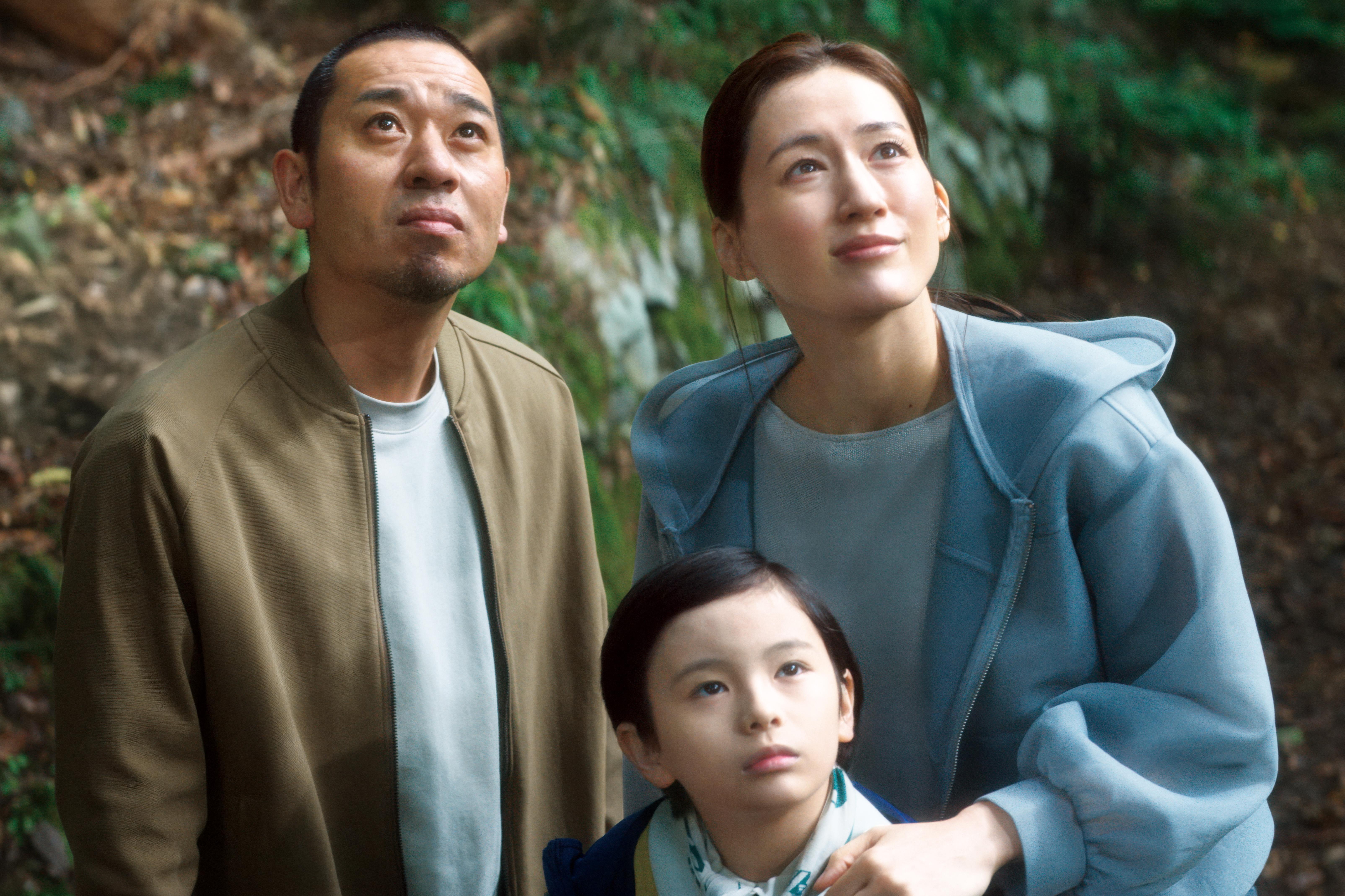
What initially seems to be 1) part meditation on using technology to overcome grief and 2) part metaphor for adoption as replacement of a lost loved one (projecting expectations onto someone that is their own being), quickly details in a messy new-age fiasco that fails both as a compelling narrative and as something with a meaningful message.
Kore-eda goes all-in on the idea that 'the Japanese' have a culturally different understanding of the AI imaginary--not the practical ways Generative AI is being used right now, but rather how we collectively understand AI in popular imagination as a sci-fi construct. Historically, such films have used the AI imaginary to explore aspects of racism and discrimination from a detached view point; Kore-eda, however, takes this more literally, exploring how AI can find independence and even co-exist with nature.
In reality, however, this film comes out in an era where Generative AI is all-present in all layers of society and becoming a genuine, not an imaginary, threat to society. GenAI is a mechanism of control used for surveillance, for military targeting, for replacing artistic and cognitive labor. Data centers are draining already limited material resources and contributing to global warming. The use of GenAI is briefly addressed in the movie to be fair, but only as far as to say that using it as a replacement for human imagination is sort of probably not ok or something, in a blink-and-you'll-miss-it fashion.
Kore-eda is at his best when his work explores human relations without delving too much in the root causes of underlying societal problems. This Peter Pan / the little prince / Caeser from Rise of the Planet of the Apes (2011) narrative, however, where, inexplicably a bunch of AI machines are able to gain independence and move to a forest, along with actual unaccounted-for children (???), is just so insultingly ridiculous. So a bunch of kids are missing in a small city; a large corporation is inexplicably offering free AI robots to grieving parents; there are a bunch of those robots in this city despite there only being 3,000 of them Japan-wide; these AI robots then seek each other out (with no corporate safeguards implemented) and, as they increasingly question their existence and place in the world, devise a scheme to get away from modern society (again with no questions asked on behalf of the corporation making these), all while somehow forgetting that electricity is a thing they'll need to exist in this fantastical treehouse of theirs, for example.
As a work of craftsmanship, this film is passable at best. Some awkward unnatural performances, a lot of visuals of trees and scenes of nature intended to be poetic I'm sure, and an out-of place melodramatic and overly sentimental soundtrack combo for pictures that would be more appropriate for Japanese TV advertisements about locally-sourced produce or a new brand of sustainable bicycles than in a project by someone as established as Kore-eda is.
In what universe is this even remotely a possibility that exploring such concepts genuinely has anything meaningful to contribute to our understanding of the human condition? Or anything, really.